
What Arizona Ranchers Should Know About Archaeological Surveys on Forest Service Land
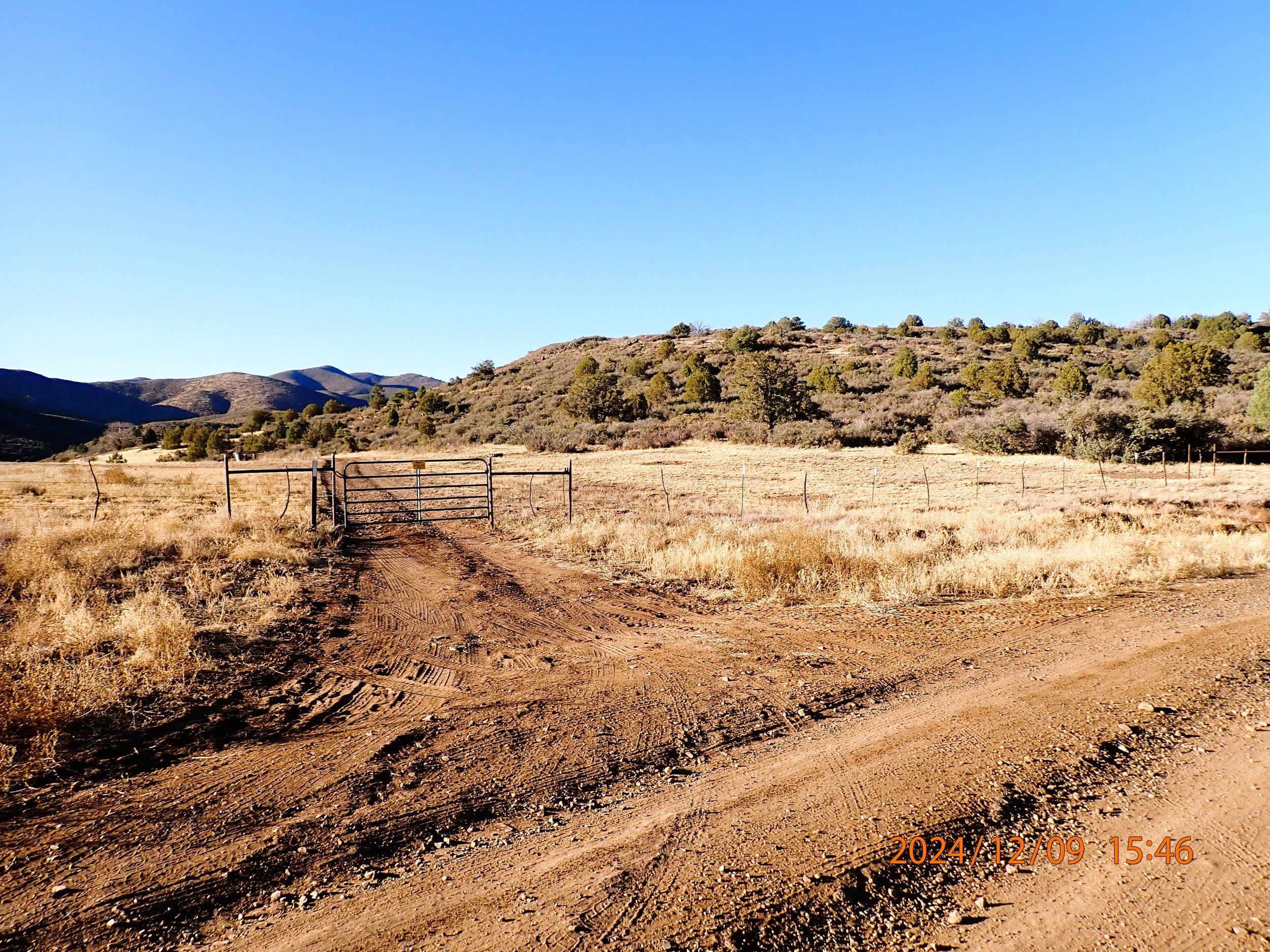
Archaeological survey by Rio Verde Archaeological Services for a water pipeline and troughs
If your planned range improvement is on a national forest in Arizona, chances are it will need some level of archaeological review before you break ground. Checking the box on the following items will help you meet your timelines and reduce costs.
Planning, Contracting and Special Considerations for Range Improvements:The things to consider fall into three categories:
Planning
The archaeological survey contract
The USFS Region 3 Programmatic Agreement (R3PA). This agreement establishes the archaeological review process for range improvement projects on national forests in Arizona
This blog post covers planning. Future posts will cover the archaeological survey contract and the R3PA.
PlanningStart planning your range improvement project with your Forest Service range conservationist (range con) at least a year out from the construction date.
Your range con is the person responsible for getting your project on the Forest Service archaeologist’s radar. Different forests schedule projects in different ways, but one thing is true on all forests—there are not enough Forest Service archaeologists to do all of the surveys that need to be done. So, the issue becomes prioritization.
Here’s what you can do to help boost your project on the Forest’s list of priority projects:
Design your project so that it will take as little time as possible for the Forest Service archaeologist to complete. You can do this through good project planning or contracting the survey.
Link your project to a forest priority. Strategize with your range con or the forest’s range program manager. Look for opportunities for optimizing your operations—water distribution, facilities, fencing, etc.—by linking range improvements to the forest’s priority projects such as a watershed restoration project, fuels reduction project, and other priority projects.
Have a partner who will help with your project. This could be the local conservation district, the state game and fish office, cattle growers association, an advocacy group, etc. Projects that have partners—especially those that will help get the work done—often rise on the priority list.
Find out who is in charge of setting the priorities—it’s not the archaeologist or the range con—and ask for a meeting with that person to discuss your planned projects and their importance to your operation.
Look for opportunities to place improvements in areas already surveyed.
There may be areas on your operation that have adequate archaeological surveys on the books. Installing range improvements in these areas likely won’t require new survey. Ask your range con if you can see a map showing the areas that have adequate archaeological survey for planning purposes.
Note that it will take some time for the archaeologist to compile this information. They’ll need to review each survey in the area that you’re interested in and determine if the survey is adequate. If the request is too big and time consuming, it might be too big an ask. If the request is targeted to a pasture or a single allotment, chances are greater that it can get done.
Design your project around known archaeological sites.
When you’re planning a project, ask your range con to check with the FS archaeologist to see if your pipeline, fence, or other range improvement intersects with a known archaeological site. If so, redesign the project—while it’s still on the drawing board—so that the site can be avoided. This will save everyone time and save you money.
In summary, planning your range improvement project involves:
Getting your project on the forest’s project list
Doing what’s needed to move your project up the list
Designing the project so that it efficiently uses the Forest Service archaeologist’s time and reduces the amount of time that they’ll need to address your project.
Contact Rio Verde Archaeological Services, LLC if you have any questions or need more information about range improvement projects and archaeological surveys on national forest land in Arizona.